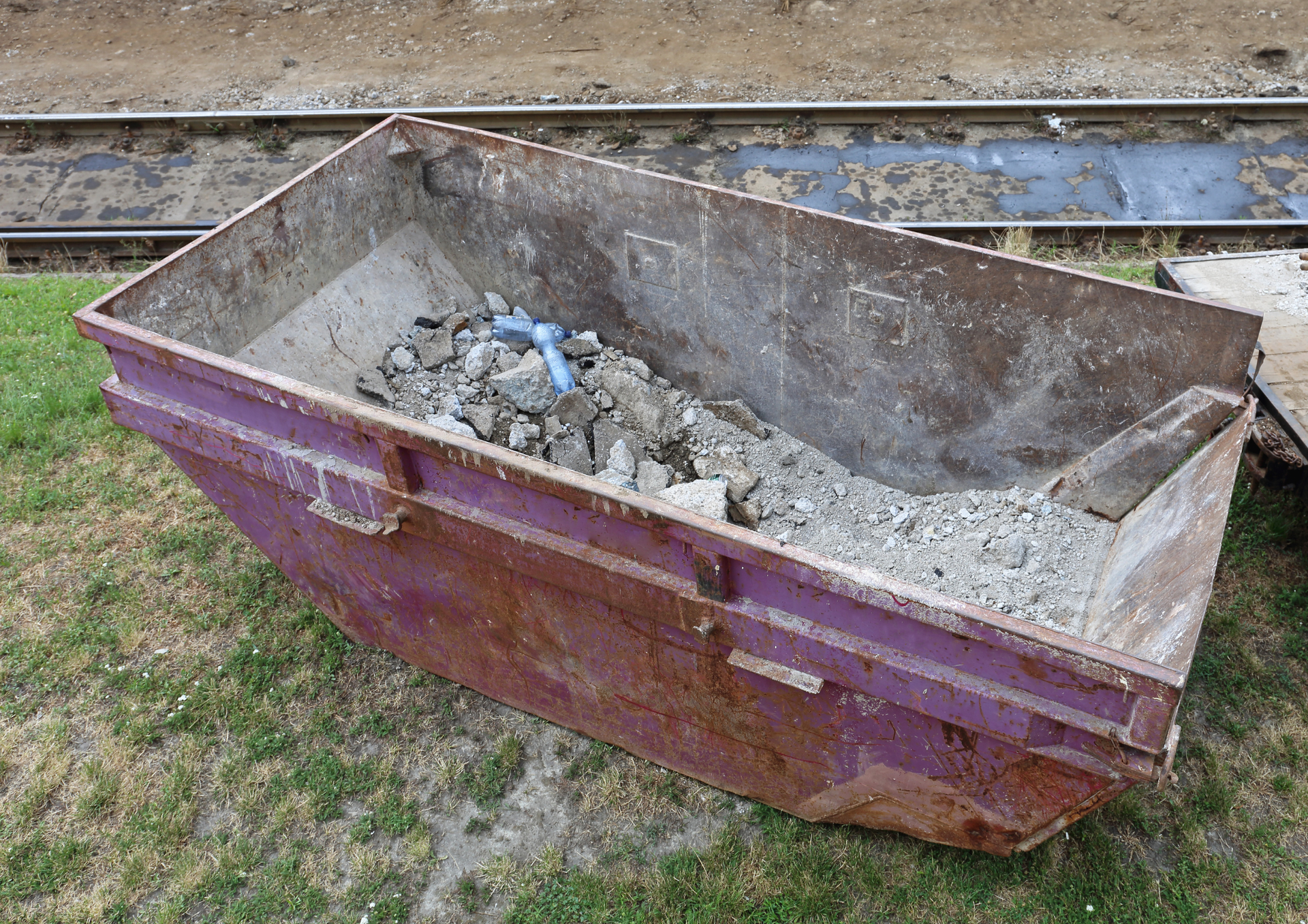

Why Skips Can Simplify Waste Removal During a House Renovation
Renovating a house can transform how a property looks, feels and functions, but it can also produce a considerable amount of unwanted material. Old kitchen units, damaged fittings, flooring, packaging, timber and general renovation debris can quickly occupy valuable working space. Using skips provides a practical way to keep this material contained while allowing homeowners and contractors to concentrate on the work itself.
Waste planning is particularly important when several parts of a property are being improved at the same time. Materials removed from one room can easily obstruct hallways, gardens, driveways or other areas needed by tradespeople. Establishing a designated disposal point from the beginning helps create a more organised working environment and reduces the need to repeatedly move unwanted materials around the property.
For households in Southend and elsewhere, the most suitable arrangement will depend on the scale of the renovation, available space, expected waste volume and type of material being removed. A small bathroom update will have very different requirements from a complete property refurbishment. Considering these factors before work begins makes it easier to choose an appropriate waste solution and coordinate delivery and collection around the renovation schedule.
A planned approach can benefit homeowners, landlords, surveyors and local authorities as well as those responsible for residential or commercial properties. Instead of treating waste as an afterthought, incorporating removal into the project plan helps maintain accessibility, improve organisation and make each stage of the renovation easier to manage.
Planning Waste Removal Around Different Renovation Stages
House renovations rarely produce the same amount of waste every day. Demolition and stripping-out stages may generate significant volumes in a short period, while decorating and finishing work usually produces smaller quantities. Planning disposal around these different stages can make the overall project considerably easier.
For anyone preparing to order a skip, estimating what will be removed before work starts is useful. Consider which rooms are being renovated, whether fixtures are being replaced and how much bulky material is likely to be generated. This gives a clearer indication of the capacity required and helps avoid selecting an option based purely on guesswork.
Kitchen Renovations
- Removing old cabinets, worktops, flooring and fixtures can create bulky waste very quickly.
- Breaking suitable materials down into manageable pieces can make better use of the available container space.
- Packaging from new appliances, cabinets and fittings should also be included when estimating the likely volume.
- Keeping waste in one designated location prevents removed materials from taking over other parts of the property.
Bathroom Improvements
- Old bathroom suites, tiles, flooring and fittings can be heavy despite coming from a relatively small room.
- Waste should be handled carefully to avoid broken materials being left in walkways or working areas.
- Planning disposal before removing existing fixtures allows the next stage of the renovation to begin with less disruption.
- Customers should check which materials can be accepted before loading begins.
Structural and Larger Refurbishments
- Extensions and substantial renovations may generate timber, masonry, plasterboard and other building materials over several stages.
- Waste volumes should be reviewed as work progresses rather than relying solely on the original estimate.
- Larger projects may benefit from coordinating collection around major phases of work.
- Keeping access routes clear is particularly important when several trades are working at the property.
Decorating and Finishing Work
- Decorating generally creates less bulky waste but may still produce packaging, old flooring and removed fixtures.
- A disposal plan helps prevent leftover materials from remaining around the property once the main construction work has finished.
- Clearing waste promptly makes final cleaning and preparation considerably easier.
- Customers should always confirm how particular materials need to be handled before disposal.
Breaking the project into stages makes waste volumes easier to understand. It also allows the disposal arrangement to support the renovation rather than becoming another issue that needs to be solved after work is already underway.
Keeping a Renovation Site Organised and Easier to Manage
Organisation becomes increasingly important as a renovation develops. Even a relatively straightforward home improvement project can involve tradespeople, deliveries, tools, new materials and removed fixtures occupying the property at the same time. Without a clear waste management plan, usable space can disappear quickly.
Homeowners searching for skips near me are often trying to find a practical local solution that can fit around the timing and access requirements of their project. Proximity can be useful, but the quality of communication, suitable capacity and clear delivery arrangements should also form part of the decision. A provider should be able to explain the booking process and help customers understand what preparation may be required before delivery.
Creating a dedicated waste area reduces the temptation to leave unwanted material wherever space happens to be available. This is particularly useful during renovations where occupants remain in the property. Keeping renovation debris separate from everyday household areas can make the disruption easier to manage and help preserve access to entrances, gardens and driveways.
It is also worth considering how tradespeople will move around the site. Waste placed near doors, paths or working areas may need to be moved again before it can finally be removed. Positioning the disposal container conveniently from the beginning reduces repeated handling and helps create clearer routes between the property and working areas.
Good organisation can also improve project sequencing. Once a room has been stripped out and unwanted material removed, the next trade can begin without first having to clear the previous stage's debris. This can be especially valuable during kitchen and bathroom renovations where several trades may need access within a relatively short period.
Customers should also think about the space required for delivery and eventual collection. A driveway may appear large enough for the container itself but still require suitable vehicle access. Discussing placement in advance helps identify potential obstacles such as narrow entrances, parked vehicles, gates, overhead restrictions or limited manoeuvring space.
Where private land is unavailable and placement on a public road may be necessary, local requirements should be checked before the planned delivery date. Making these arrangements early can prevent avoidable disruption to the renovation programme.
The objective is not simply to remove unwanted material but to integrate waste management into the wider project. When delivery, loading and collection are planned alongside the building work, the property can remain more manageable throughout what may otherwise be a disruptive period.
Choosing an Appropriate Size for the Amount of Renovation Waste
Different renovation projects generate very different quantities of material. Choosing a suitable container requires consideration of both volume and the nature of the waste rather than simply selecting the largest available option. An oversized container may use unnecessary space, while one that is too small can create additional work.
Understanding the range of local skips available can help customers match capacity to the scale of their renovation. The following categories provide a practical starting point, although actual requirements should always be considered individually.
Small Household Improvements
- Minor decorating projects, small room clearances and limited DIY work generally produce lower waste volumes.
- Compact options can be useful where driveway or access space is restricted.
- Estimating waste before dismantling furniture or fittings can provide a more realistic picture of the required capacity.
- Customers should account for packaging from replacement materials as well as items being removed.
Kitchen and Bathroom Renovations
- These projects can produce surprisingly large amounts of waste because cabinets, tiles, flooring and fittings take up significant space.
- The amount generated depends on whether the room is being partially updated or completely stripped out.
- Heavy materials should be discussed with the provider when selecting a suitable option.
- Careful loading can help use the available capacity more efficiently.
Whole-Property Refurbishments
- Multiple rooms being renovated simultaneously require greater planning because waste can accumulate rapidly.
- It may be useful to coordinate disposal with separate phases rather than trying to accommodate the entire project at once.
- Contractors and property managers should consider the anticipated programme when planning collections.
- Space for continued access should remain part of the decision when choosing capacity.
Limited-Space Projects
- Terraced properties, narrow driveways and restricted sites may require a more compact approach.
- A mini skip can be suitable for certain smaller improvement jobs where waste volumes are modest and space is limited.
- Customers should avoid choosing solely on physical dimensions without considering the amount and type of material involved.
- Professional guidance can help determine whether a smaller option is practical for the planned work.
Accurate estimation is rarely about calculating every individual item. Instead, customers should consider the rooms involved, materials being removed and whether further waste will be generated as the work progresses. Leaving some allowance for unexpected material can also prevent the chosen capacity from becoming inadequate halfway through the job.
Coordinating Delivery, Loading and Collection Effectively
Successful waste management depends on more than selecting a suitable container. Delivery timing, placement, loading and collection all need to work alongside the renovation programme. Considering these arrangements early helps prevent the disposal process from interfering with tradespeople or household routines.
Before delivery, customers should identify an appropriate position that provides practical access without unnecessarily obstructing the property. Driveways are often convenient where suitable, but the surface, available width and access for the delivery vehicle should all be considered. Any vehicles, stored materials or other obstacles should be moved beforehand where necessary.
Customers comparing skip bins should also consider how easily waste can be transferred from the renovation area to the chosen position. A location close to the working area can reduce the distance heavy or awkward materials need to be carried. However, placement should not prevent deliveries of building materials or block access required by contractors later in the project.
Loading should be approached methodically. Large, awkward items can occupy significant capacity if placed without consideration, while suitable materials may sometimes be broken down to use space more efficiently. Waste should remain within the permitted loading level, and customers should avoid placing materials inside that have not been confirmed as acceptable.
Timing the collection is equally important. Removing the container too early may leave later waste without a suitable disposal point, while keeping it longer than necessary can occupy valuable space after the main work is complete. Reviewing progress during the renovation helps customers decide when collection will be most convenient.
Communication with the provider can make these arrangements easier. If the building programme changes, discussing revised requirements as early as possible provides more opportunity to coordinate a suitable solution. This is particularly relevant for larger renovations where delays in one trade can affect several later stages.
For landlords, property managers and local authorities, organised arrangements can also help when several people are involved in overseeing the work. Making the expected delivery position, permitted materials and collection process clear to everyone reduces confusion and helps maintain a consistent approach throughout the project.
A well-planned collection marks an important point in the renovation. Once unwanted materials have been removed, the property and surrounding areas can be cleaned, final work can be completed and the improved space can begin returning to normal use.
Waste management may not be the most visible part of a house renovation, but it can have a considerable influence on how smoothly the project progresses. Removed fixtures, building materials, packaging and general debris can quickly reduce usable space if there is no clear plan for containing and removing them.
The most effective approach begins before renovation work starts. Estimating likely waste volumes, considering available space, identifying an appropriate placement area and coordinating removal with different stages of the project can prevent avoidable complications. Choosing suitable skips for the expected volume of waste can also help homeowners and professionals maintain clearer working areas while ensuring unwanted materials have a designated destination.
Every renovation is different. A small bathroom update will require a different approach from a complete property refurbishment, and access conditions can vary significantly between homes. Rather than selecting a waste solution based solely on assumptions, considering the scale of the work and discussing practical requirements in advance can lead to a more suitable arrangement.
For properties in Southend and elsewhere, thoughtful planning allows waste removal to become an organised part of the renovation rather than an issue that interrupts progress. Clear communication, sensible capacity selection and appropriately timed collection can all contribute to a cleaner, more manageable project from initial preparation through to completion.
Skip Hire Southend provides practical information and straightforward support for customers arranging waste removal for home improvements, property clearances and larger refurbishment projects. We understand that homeowners, landlords, surveyors, local authorities and those responsible for residential or commercial properties may have different requirements depending on project size, access and expected waste volumes.
Our approach focuses on helping customers understand their options before making arrangements. Whether you are dealing with a small household project or coordinating a more substantial renovation, we aim to make planning skips simpler through clear communication and sensible guidance.
We recognise that convenient delivery and collection can be just as important as selecting suitable capacity. By considering site access, project timing and the type of work being completed, customers can make more informed decisions and integrate waste removal effectively into their wider plans.
Our website is designed to provide useful, easy-to-understand information without unnecessary complexity. From preparing for delivery to considering collection timing, we focus on the practical details that can help make waste management easier throughout a renovation.
Check out our latest X update on how
skips can simplify waste removal during a house renovation!
You might also like